
Short Answer: It Was One of the Earliest Commercial Electric RC Helicopters
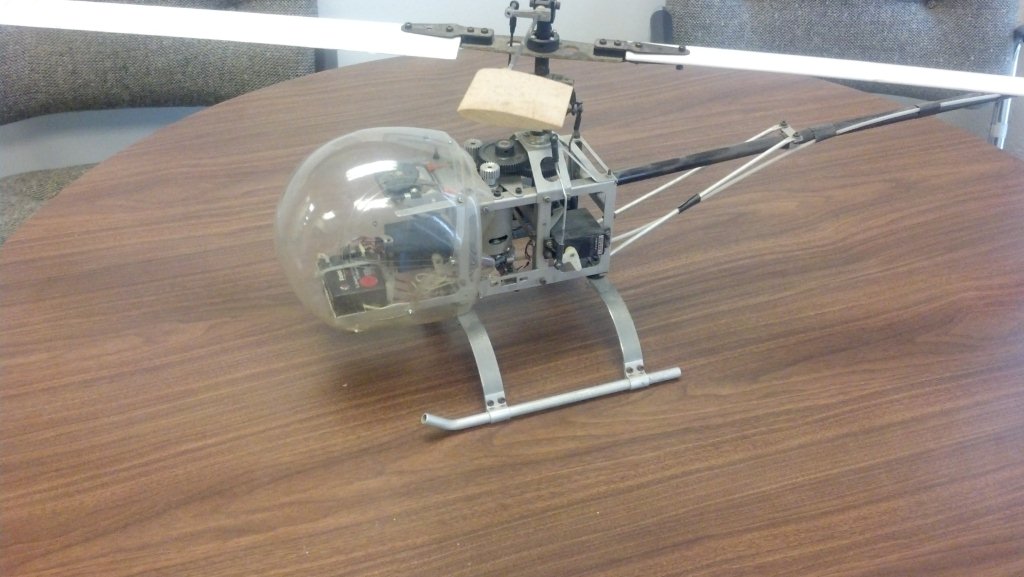
The most accurate short answer is that the Ishimasa Sky Lark EH-1 was one of the earliest commercially available electric RC helicopters, and possibly the first in the specific non-tethered category described by the specialist Vintage Radio-controlled Helicopters (VRHC) archive. Radical RC contributor Frank Beafore of Select Tech GeoSpatial identified the kit as a 1981 product; the original credit also described him as a modeling enthusiast and UAV manufacturer. The VRHC archive labels the Sky Lark EH-1 “1980.” Because those dates and definitions differ, “one of the first” is safer than an unqualified universal first.
That uncertainty does not make the model less interesting. Frank’s photograph and notes capture the charm of a machine that had to solve electric flight with the batteries, motors, and radio gear available at the time.
What Did the Early Electric Helicopter Kit Use?
Frank Beafore’s original account says the kit came from Ishimasa Co. Ltd. of Tokyo and was offered to model builders in the early 1980s. He remembered a nickel-cadmium battery, a flight of less than two minutes, and a 25-foot umbilical connected to a car battery. He also reported a rubber belt driving the tail rotor, with the belt breaking often enough to become part of the ownership experience.
The VRHC Sky Lark EH-1 archive adds period details including two brushed “buggy” motors, an eight-cell 1.2 Ah NiCad pack, an aluminum body, a basic speed control, and a fiber tail boom. The archive also documents a Bell-Hiller upgrade. Those details put the little helicopter in context: it was an ambitious electric model, but it was not a modern collective-pitch 3-D machine.
Why Did the Tether Matter?
A tether changes the entire design problem. It can supply energy from a much larger battery than the model could carry, but it limits where the helicopter can go and adds another line to manage around the rotor system. Frank’s notes describe the kit as a short-flight machine even with that arrangement, which makes the later move toward practical onboard electric power easier to appreciate.
His account also mentions spare parts and the original instructions still being available. For a vintage RC subject, those small details are valuable: they tell us how owners actually kept an unusual model flying, not just what the box promised.
Can We Really Call It “the First”?
Only with a definition attached. The VRHC manufacturer index calls it the first commercially available electric, non-tethered RC helicopter, while its model page gives a 1980 date. Frank’s Radical RC contribution says 1981 and describes a tethered setup. Those statements can be preserved together if the article makes the scope clear instead of turning a historical memory into a definitive worldwide claim.
For readers who collect early electric models, the more useful question may be: what did this kit make possible? It showed that electric power belonged in the helicopter conversation, even when flight time was measured in minutes and a tail belt could end the session.
What Changed After the Sky Lark?
Modern brushless motors, electronic speed controllers, lithium batteries, and computer radios have removed many of the limits Frank described. That is progress, but it is also why the EH-1 deserves a place in the history of RC electric flight. The model’s short flights and fragile drive details document the engineering gap that later builders closed.
Watch and Read More
The original article’s two videos are still available: Sky Lark EH-1 video one and Sky Lark EH-1 video two. The VRHC Ishimasa index is the most useful current archive reference.
Radical RC’s electric transportation and e-power everything categories provide a natural follow-on for the modern side of the story. Any surviving EH-1 should be treated as a restoration artifact: it needs expert structural, electrical, radio, and rotor-system inspection, followed by restrained bench testing under applicable manufacturer and club procedures. This historical article is not a recommendation to fly an unrestored example.